
Home Prep for Inspection: How to Prepare Your Home for Inspection
Preparing your home for an inspection can feel overwhelming. I get it. There’s a lot to think about, and you want everything to go smoothly. But with a little planning and some simple steps, you can make the process easier and less stressful. I’m here to walk you through exactly what you need to do to get your home ready. Let’s dive in.
Why Home Prep for Inspection Matters
Getting your home ready for inspection is more than just tidying up. It’s about making sure everything is safe, functional, and easy to access. When inspectors can easily check your home, they can give a clear and accurate report. This helps buyers, sellers, or investors make smart decisions.
I always recommend starting early. Don’t wait until the last minute. A well-prepared home shows that you care about the property and can even speed up the sale or purchase process. Plus, it helps avoid surprises that could delay closing.
Here are some key reasons why home prep for inspection is important:
Smooth inspection process: Inspectors can do their job without obstacles.
Better inspection results: Fewer issues flagged means fewer headaches.
Increased buyer confidence: Buyers feel more comfortable knowing the home is well-maintained.
Faster transactions: Less back-and-forth means quicker closings.
Essential Steps for Home Prep for Inspection
Now, let’s get practical. What exactly should you do to prepare your home? I’ve broken it down into clear, manageable steps.
1. Clean and Declutter
Start with a thorough cleaning. Dust, dirt, and clutter can hide problems or make it hard for inspectors to see what’s going on. Focus on:
Floors and carpets
Windows and window sills
Kitchen and bathrooms
Basements and attics
Clear out storage areas so inspectors can check pipes, wiring, and insulation. Don’t forget to clean appliances and fixtures.
2. Check Major Systems
Inspectors will look closely at your home’s major systems. Take some time to:
Test all faucets and showers for leaks or low pressure.
Flush toilets to ensure they work properly.
Check your HVAC system and replace filters if needed.
Test smoke and carbon monoxide detectors.
Make sure all electrical outlets and switches work.
Fix any obvious issues before the inspection. Even small repairs can make a big difference.
3. Ensure Easy Access
Inspectors need to get to certain areas without hassle. Make sure:
Crawl spaces, attics, and basements are accessible.
Electrical panels and circuit breakers are easy to reach.
Water shut-off valves are clearly labeled.
Exterior areas like the roof, gutters, and foundation are visible.
If you have pets, secure them during the inspection to avoid distractions or safety concerns.
4. Address Safety Concerns
Safety is a top priority. Inspectors will look for hazards like:
Loose handrails or steps
Broken windows or doors
Exposed wiring
Mold or water damage
Fix or highlight these issues before the inspection. If you can’t fix something, be upfront about it.
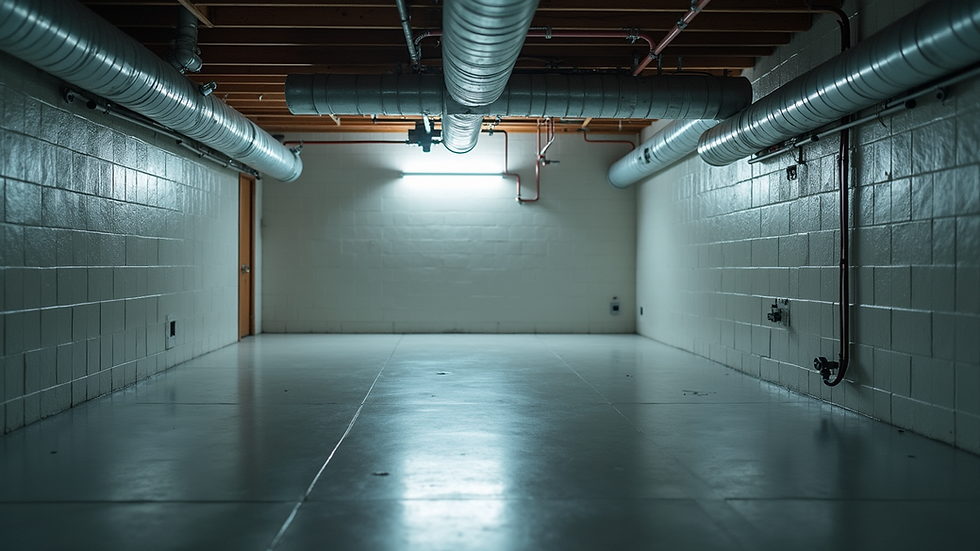
What is the Biggest Red Flag in a Home Inspection?
One question I often hear is: What is the biggest red flag in a home inspection? From my experience, the biggest red flag is water damage and mold. Water issues can lead to serious structural problems and health risks. Inspectors pay close attention to signs like:
Stains on ceilings or walls
Musty odors
Soft or warped wood
Visible mold growth
If you spot any of these, it’s crucial to address them before the inspection. Even if you can’t fix everything, having a professional assessment or repair plan ready shows you’re proactive.
Other major red flags include:
Electrical hazards, such as outdated wiring or overloaded circuits
Foundation cracks or shifting
Roof damage or leaks
Plumbing leaks or corrosion
Being aware of these issues helps you prepare better and avoid surprises.
Final Touches to Impress the Inspector
As the inspection day approaches, there are a few last things you can do to make a great impression.
Provide documentation: Gather warranties, repair receipts, and maintenance records.
Turn on all utilities: Make sure water, electricity, and gas are on.
Replace burnt-out bulbs: Good lighting helps inspectors see clearly.
Open curtains and blinds: Natural light brightens the space.
Secure pets: Keep them away from the inspection area.
These small details show you’re organized and cooperative, which can help the inspection go smoothly.

If you want to learn more about how to prepare for a home inspection, this resource offers detailed guidance tailored to your needs.
Taking Control of Your Home Inspection Experience
Preparing your home for inspection is a chance to take control of the process. It’s not just about passing the inspection but understanding your property better. When you prepare well, you reduce stress and build confidence in your investment.
Remember, inspections are about transparency and safety. By following these steps, you’re helping everyone involved make informed decisions. Whether you’re buying, selling, or investing, a well-prepared home inspection is a smart move.
If you’re in Rocky Mount or nearby areas, working with a trusted inspection service can make all the difference. They’ll guide you through the process and provide a thorough, honest report.
Take the time to prepare your home carefully. It’s worth it for peace of mind and a smoother transaction. You’ve got this!


Comments