
The Home Inspection Checklist for Buyers
Buying a home is one of the biggest decisions we make. It’s exciting, but it can also feel overwhelming. That’s why having a solid home inspection checklist for buyers is so important. It helps us stay organized, spot potential issues, and make confident decisions. I want to share a straightforward, easy-to-follow guide that will walk you through the key things to look for when inspecting a house before buying.
Why an Inspection Checklist for Buyers Matters
When you’re buying a home, you want to be sure you’re making a smart investment. A thorough inspection can reveal hidden problems that might cost you a lot down the road. From the roof to the foundation, every part of the house deserves attention.
Using a checklist keeps you focused. It ensures you don’t miss anything important during the inspection. Plus, it helps you communicate clearly with your inspector and the seller. You’ll feel more in control and less stressed.
Here’s what I’ve learned: the more prepared you are, the better your chances of finding a home that’s safe, sound, and a great fit for your needs.

Key Areas to Cover in Your Inspection Checklist for Buyers
Let’s break down the main areas you should inspect. I’ll explain what to look for and why it matters.
1. Roof and Gutters
Start at the top. The roof protects everything inside your home. Look for missing or damaged shingles, signs of leaks, or sagging areas. Check gutters for clogs or damage that could cause water to pool near the foundation.
2. Exterior Walls and Foundation
Walk around the house and inspect the walls for cracks, peeling paint, or signs of water damage. The foundation should be solid with no major cracks or shifts. These issues can indicate structural problems.
3. Windows and Doors
Open and close every window and door. They should operate smoothly and seal tightly. Check for broken glass, damaged frames, or signs of moisture between panes.
4. Plumbing System
Turn on faucets and flush toilets to check water pressure and drainage. Look under sinks for leaks or water damage. Inspect visible pipes for corrosion or cracks.
5. Electrical System
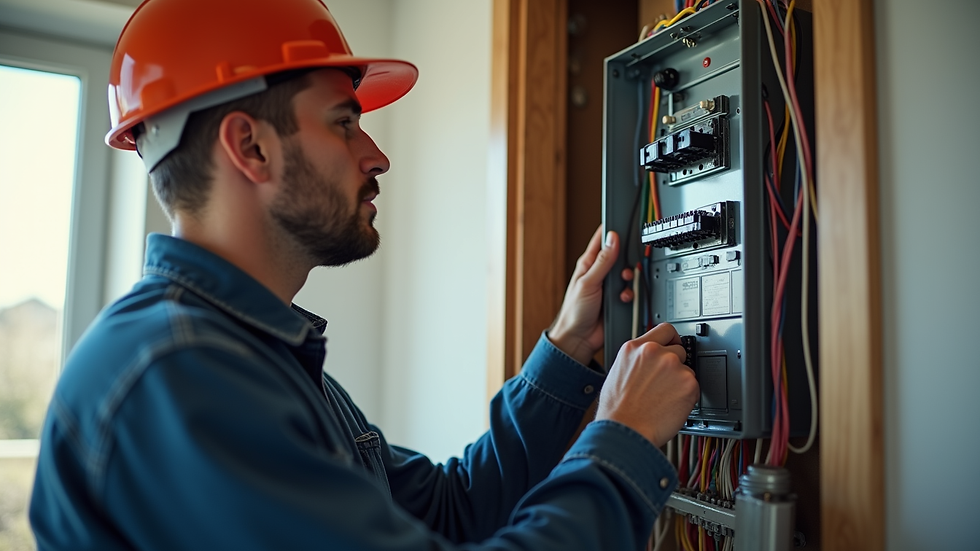
Test light switches and outlets. Make sure the electrical panel is up to code and has no signs of overheating or damage. Ask about the age of wiring and any recent upgrades.
6. Heating and Cooling Systems
Check the HVAC system for proper operation. Look at the age and condition of the furnace and air conditioner. Regular maintenance records are a good sign.
7. Interior Walls, Ceilings, and Floors
Look for cracks, stains, or signs of mold. Check floors for uneven spots or damage. These can indicate water issues or structural concerns.
8. Attic and Insulation
Inspect the attic for proper insulation, ventilation, and signs of pests or water leaks. Good insulation helps with energy efficiency.
9. Appliances and Fixtures
Test built-in appliances like ovens, dishwashers, and garbage disposals. Check faucets, showers, and toilets for leaks or damage.
10. Safety Features
Make sure smoke detectors and carbon monoxide detectors are installed and working. Check for handrails on stairs and secure railings on decks or balconies.
How to Inspect a House Before Buying a Checklist?
Now that you know what to look for, here’s a simple step-by-step checklist you can follow during your inspection:
Start Outside
Check the roof and gutters
Inspect exterior walls and foundation
Look at windows and doors
Move Inside
Test plumbing fixtures
Check electrical outlets and switches
Operate heating and cooling systems
Examine Structural Elements
Look at walls, ceilings, and floors for damage
Inspect the attic for insulation and leaks
Test Appliances and Fixtures
Run built-in appliances
Check faucets and toilets
Verify Safety Features
Test smoke and carbon monoxide detectors
Check stair and deck railings
Take Notes and Photos
Document any issues or concerns
Share your findings with your inspector or agent
This checklist helps you stay organized and ensures you cover all the important points. Remember, you don’t have to be an expert. The goal is to spot anything that might need a closer look by a professional.
Tips for a Successful Home Inspection
Here are some practical tips to make your inspection process smoother and more effective:
Attend the Inspection
Being there in person lets you ask questions and see issues firsthand. It’s a great learning opportunity.
Hire a Qualified Inspector
Choose someone with experience and good reviews. A thorough inspection can save you thousands.
Don’t Rush
Take your time. A careful inspection is worth the extra effort.
Ask for Maintenance Records
Knowing the history of repairs and upgrades helps you understand the home’s condition.
Think Long-Term
Consider not just current problems but potential future issues. For example, an aging roof might need replacement soon.
Use Your Checklist
Keep your checklist handy and mark off items as you go. It keeps you focused and organized.
What to Do After the Inspection?
Once the inspection is complete, review the report carefully. Discuss any major concerns with your inspector and your real estate agent. You might want to:
Request repairs or credits from the seller
Negotiate the price based on needed fixes
Walk away if the problems are too serious
Remember, the inspection is your chance to make an informed decision. Don’t hesitate to ask for professional advice if you’re unsure about any findings.
Empower Yourself with Knowledge
Buying a home is a big step, but it doesn’t have to be scary. Using a detailed home inspection checklist for buyers helps you feel confident and prepared. It’s about protecting your investment and ensuring your new home is safe and comfortable.
Take your time, ask questions, and trust the process. With the right approach, you’ll find a home that’s just right for you and your family.
If you want to learn more or schedule a professional inspection in Rocky Mount and surrounding areas, reach out to Due Diligence Property Inspections LLC. We’re here to help you make smart, informed property decisions every step of the way.


Comments