
What Home Inspectors Examine During Inspections - Your Essential Home Inspection Checklist
Buying or selling a home is a big step. It’s exciting but can also feel overwhelming. One of the best ways to feel confident about your decision is through a thorough home inspection. When I perform an inspection, I focus on many important areas to give you a clear picture of the property’s condition. This home inspection checklist will walk you through what I look at and why it matters. Understanding this process helps you make smart choices and avoid surprises down the road.
The Home Inspection Checklist - What I Look For
A home inspection covers a lot of ground. I examine the property from top to bottom, inside and out. Here’s a breakdown of the main areas I check:
Roof and Gutters: I look for missing shingles, leaks, and signs of wear. Gutters should be clear and properly attached.
Exterior Walls and Foundation: Cracks, water damage, and structural issues are red flags here.
Windows and Doors: I test for proper operation, seals, and signs of rot or damage.
Plumbing System: Pipes, faucets, water heaters, and drainage get a close look for leaks or corrosion.
Electrical System: I check outlets, breakers, wiring, and grounding to ensure safety.
Heating and Cooling Systems: Furnaces, air conditioners, and vents are inspected for function and maintenance.
Interior Rooms: Walls, ceilings, floors, and stairs are examined for damage or unevenness.
Attic and Insulation: Proper insulation and ventilation are key for energy efficiency.
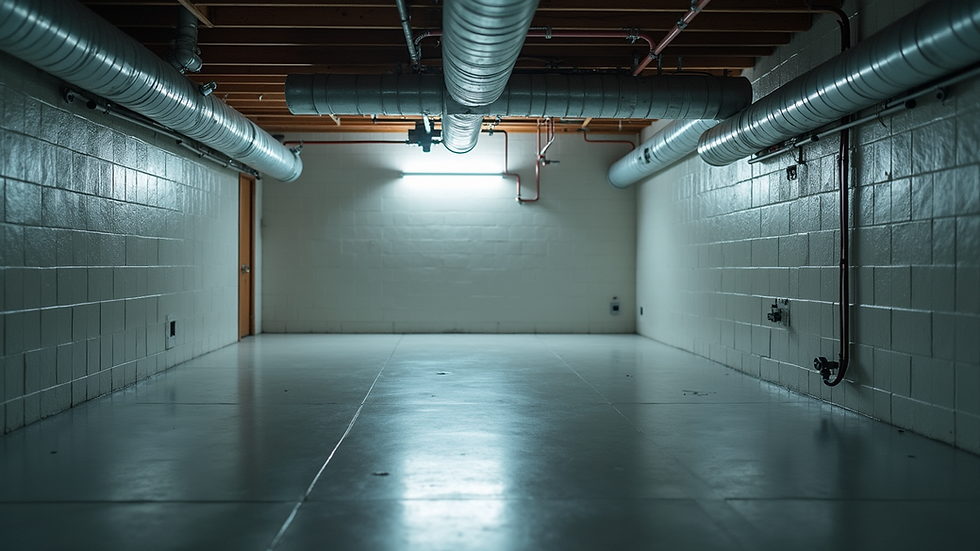
Basement and Crawl Spaces: Moisture, mold, and foundation issues are common concerns here.
This checklist helps me cover all the bases. If you want to know more about what does a home inspector check, you can find detailed information here.

Why Each Part of the Home Matters
Every part of a home plays a role in its safety, comfort, and value. Let me explain why I focus on these areas:
Roof and Gutters: A damaged roof can lead to leaks and costly repairs. Gutters protect the foundation by directing water away.
Foundation and Exterior Walls: Cracks or shifts can indicate serious structural problems.
Windows and Doors: Proper seals keep energy costs down and prevent drafts.
Plumbing: Leaks can cause water damage and mold growth.
Electrical: Faulty wiring is a fire hazard.
Heating and Cooling: These systems keep your home comfortable year-round.
Attic and Insulation: Good insulation saves money on energy bills.
Basement and Crawl Spaces: Moisture here can damage the home and affect air quality.
By checking these areas, I help you understand the home’s condition and what repairs might be needed.
What is the Biggest Red Flag in a Home Inspection?
One question I often get is about the biggest red flag during an inspection. While many issues can be serious, foundation problems usually top the list. Here’s why:
Foundation issues can be expensive to fix.
They may affect the entire structure’s stability.
Signs include large cracks, uneven floors, and doors or windows that don’t close properly.
If I spot foundation concerns, I always recommend a specialist for a more detailed evaluation. Catching this early can save you from costly surprises later.

How I Conduct a Home Inspection
When I arrive at a property, I follow a clear process to ensure nothing is missed:
Walk Around the Exterior: I start outside, checking the roof, gutters, walls, and foundation.
Inspect the Interior: I move through every room, testing windows, doors, plumbing, and electrical systems.
Check the Attic and Basement: These areas often hide problems like poor insulation or moisture.
Test Appliances and Systems: I turn on heating, cooling, and major appliances to confirm they work.
Document Everything: I take notes and photos to create a detailed report.
This methodical approach helps me provide a thorough and accurate inspection.
What You Can Do Before and After the Inspection
Preparing for a home inspection can make the process smoother and more useful:
Before the Inspection:
- Make sure utilities are on (water, electricity, gas).
- Clear access to attics, basements, and crawl spaces.
- List any questions or concerns you have about the property.
After the Inspection:
- Review the report carefully.
- Ask me to explain any findings you don’t understand.
- Prioritize repairs based on safety and cost.
- Use the report to negotiate repairs or price adjustments if you’re buying.
Being proactive helps you get the most from your inspection.
Empowering You with Knowledge for Long-Term Home Maintenance
A home inspection is not just about buying or selling. It’s also a valuable tool for ongoing maintenance. Knowing the condition of your home helps you plan repairs and upgrades wisely. I encourage you to keep your inspection report and refer to it regularly. It’s a roadmap for keeping your home safe, comfortable, and valuable for years to come.
If you want a trusted, comprehensive inspection in Rocky Mount or nearby areas, I’m here to help. Together, we can make sure your property decisions are informed and confident.
Thank you for reading this home inspection checklist. I hope it gives you a clear idea of what to expect and why inspections matter. If you have questions or want to schedule an inspection, feel free to reach out anytime. Your peace of mind is my priority.


Comments